| |
| |
For half a year, the war in Iran has manifested manifold: dropped bombs, disrupted trade routes, and bold words. |
Most recently, Trump threatened a “crushing economic operation” against Tehran and “economic warfare and isolation on an unprecedented scale.” |
“It is the same movie they keep playing over and over again,” quipped back Abbas Araghchi, Iran’s foreign minister. After all, the U.S. has imposed economic sanctions on Iran for nearly half a century. |
This desensitizing sense of déjà vu and fewer incentives to avoid military escalation lead Hamidreza Azizi, in TIME’s Weekend Essay, to suggest that Washington’s so-called “economic D-day” might unintentionally drive Tehran to double down. |
|
|
IN TODAY’S BRIEF |
|
|
|
|
|
| |
|
|
|
| |
| |
WEEKEND ESSAY |
Why Iran might escalate after Trump’s economic threats |
 |
Photo-Illustration by TIME (Source Images: Kent Nishimura—AFP/Getty Images; Morteza Nikoubazl—NurPhoto/Getty Images) |
|
Six months into the war between the United States and Iran, President Donald Trump has turned to economic warfare to force the country into submission and threatened an “Economic D-Day” against Iran. This new American strategy was spelled out by Treasury Secretary Scott Bessent earlier this week: a campaign of U.S. sanctions against countries and financial institutions that do business with Iran or help it evade sanctions. |
The proposed new sanctions go beyond oil exports to target digital assets, gold, and the aviation sectors that help finance the Iranian economy. Bessent described it as a campaign to “collapse every last option for Iran.” Making all this work depends on whether the U.S. can convince Iran’s most important trade partners to cut out the Islamic Republic. China, which buys around 80% of Iran’s seaborne crude oil, has already pushed back, warning that it will “take all necessary measures” to protect its interests if targeted by U.S. sanctions, putting an early question mark on whether Washington’s new gambit can deliver results. |
If the aim, as stated, is to deal an economic blow to Iran, the fact is that the country is already under severe strain. A U.S. naval blockade has constrained oil exports, the primary source of revenue for Iran. Ordinary Iranians are facing greater economic pressure as their purchasing power is eroding: food inflation reached 128% year-on-year in July and families are cutting back on meat and other items. The dollar value of the minimum wage has fallen from about $105 to $86 since late March as the rial has weakened significantly. On Monday, Iranian currency fell to a record low of 2.02 million rials to the dollar. |
So what is the goal of Bessent’s announcement? Simply put, acknowledging the reality—even if the administration won’t state it in these terms—of avoiding a further, major military campaign as the conflict drags on. For their part, Iran’s leaders have dismissed the threat of intensified economic warfare, insisting the new punitive economic measures would fail. “It is the same movie they keep playing over and over again,” remarked Iran’s foreign minister, Abbas Araghchi. |
Hamidreza Azizi is the author of The Axis of Resistance: Iran, Israel, and the Struggle for the Middle East. |
Read the full essay here… |
|
|
|
| |
|
|
|
| |
| |
SPONSORED |
Slack replies in seconds. Not minutes. |
|
|
Dictate into Slack, email, LinkedIn, or any app and get polished, send-ready text. Wispr Flow strips filler and formats everything. 89% of messages sent with zero edits. Works on Mac, Windows, and iPhone. |
Start flowing free |
|
|
|
| |
|
|
|
| |
| |
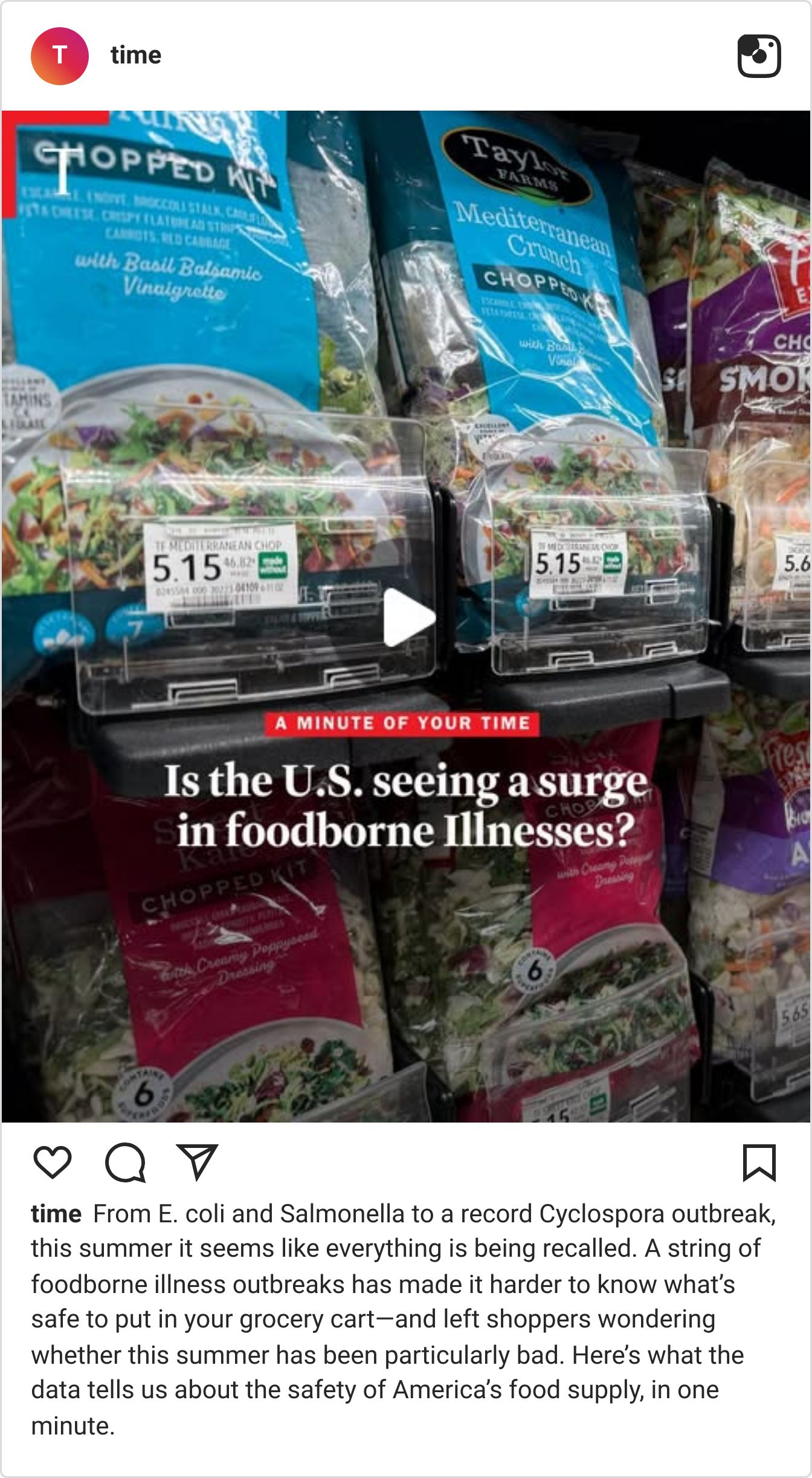
A MINUTE OF YOUR TIME |
Is the U.S. seeing a surge in foodborne illnesses? |
From E. coli and Salmonella to a record Cyclospora outbreak, this summer it seems like everything is being recalled. A string of foodborne illness outbreaks has made it harder to know what’s safe to put in your grocery cart—and left shoppers wondering whether this summer has been particularly bad.
Here’s what the data tells us about the safety of America’s food supply, in one minute. |
|
|
|
|
|
| |
|
| |
| |
SPONSORED |
Smarter CRM. Less Busywork. |
|
|
Disconnected data and tools make it harder to understand your customers. HubSpot's Agentic Customer Platform brings your data, teams, and tech stack together with AI built in to help your business work faster and create more personalized customer experiences. |
Why HubSpot and what's new |
Use AI powered tools to take action faster Unify your data, teams, and tech stack in one place Create one shared view of customer data Connect teams around the same customer context Bring your business tools into one place
|
Connect more of your business in one place and give every team a smarter way to work. Get set up quickly and start checking off your hardest tasks. |
Get started free |
|
|
|
| |
|
|
|
| |
 |
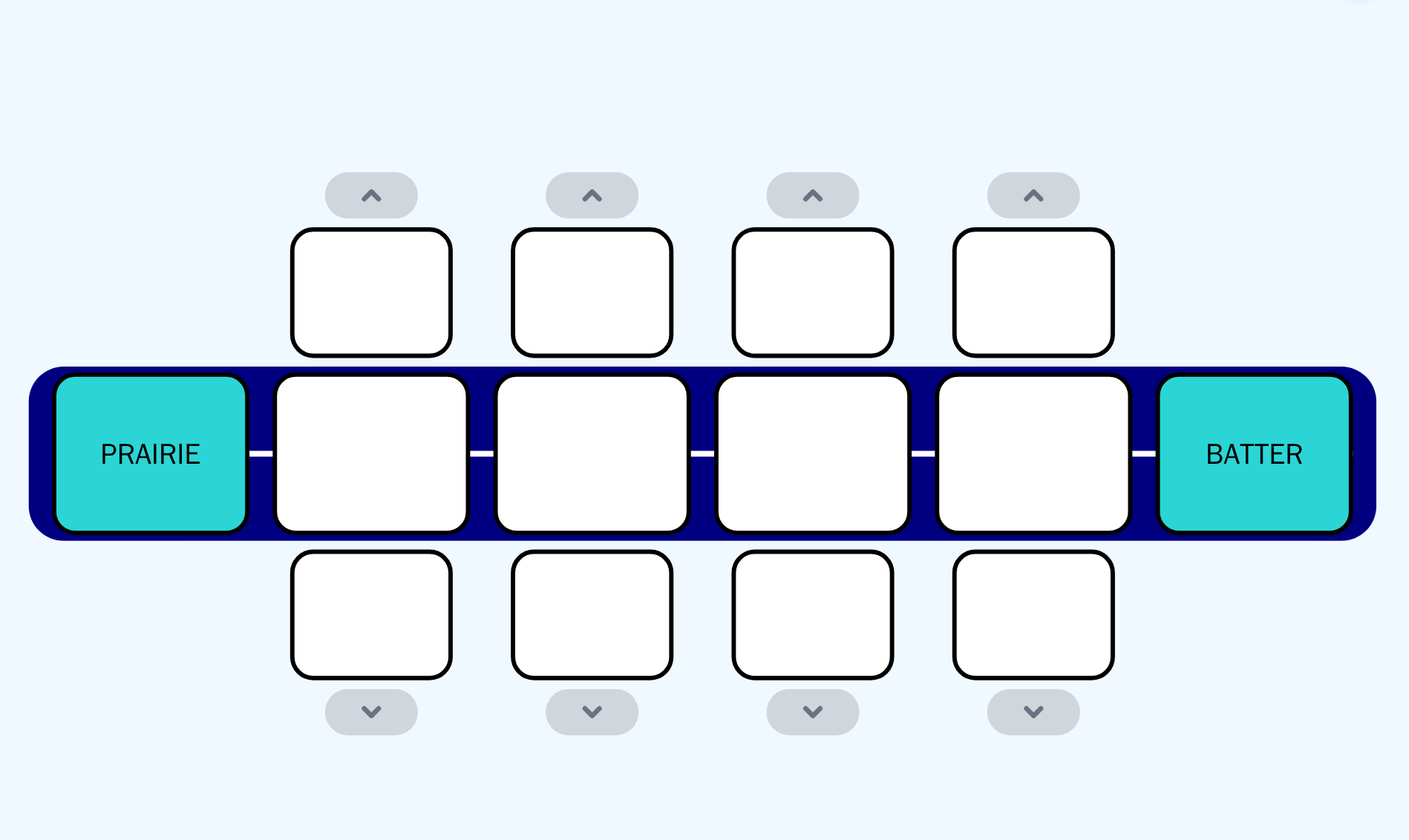
| Linked |
| In this addictive word-association game, find the steps that will unite two seemingly unrelated words in just four moves. |
 |
| PLAY NOW |
|
|
|
| |
| |
SPONSORED |
Find the perfect marketing agencies in <15 minutes |
|
|
You hire an agency every couple of years. We do it every day. |
Tell us your budget and what you need Our experts shortlist from agencies we've already vetted You get 3 or 4 agencies worth your time It costs nothing and <7 days
|
Get matched free |
|
|
|
| |
|
|
|
|
|

Click to sign up.
|
|
|
|
|
|




Comentarios
Publicar un comentario