| |
| |
Happy Halloween. Time to scramble for a last-minute costume, eat volumes of candy no doctor or dentist would recommend, and turn on a scary movie. |
From Get Out (2017) and Hereditary (2018) to Backrooms and Obsession (2026), “elevated horror” has been the breakout genre of the decade. And moviegoers’ appetite for being scared, terrified, and unnerved shows no sign of slowing. |
“The truth is that humans love to be scared,” writes psychologist Coltan Scrivner for TIME’s Weekend Essay. “Understanding why we crave fear helps explain more than horror’s hold on Hollywood: It reveals how we confront uncertainty, test our limits, and find a sense of control when the world feels frightening enough already.” |
|
|
IN TODAY’S BRIEF |
|
|
|
|
|
| |
|
|
|
| |
| |
WEEKEND ESSAY |
Why we like to be scared |
 |
Courtesy of A24; Focus Features |
|
In a moment marked by economic anxiety, concerns over artificial intelligence, and geopolitical instability, frightening fiction is thriving. From the page to the big screen, horror has had a massive year. |
In publishing, the horror subgenre is set to break new sales records. Readers aren’t the only ones seeking a good scare. Horror films dominated the silver screen this summer, with Backrooms and Obsession grossing more than $460 million domestically and roughly $900 million globally. Both films came from young directors who cut their teeth on YouTube, with their fingers on the pulse of this generation’s anxieties and fears. Even as major franchises like Spider-Man broke box office records, audiences turned two original horror stories into blockbuster hits. |
What is it about a horror story that allows it to latch its claws into our minds and pull us in? Why would we seek out an experience that produces in us a feeling of fear and anxiety? After all, we spend most of our lives trying to avoid these emotions. |
The truth is that humans love to be scared. We spend our time sharing and consuming scary stories; we take our kids to haunted houses; we dedicate an entire season to all things spooky. |
Understanding why we crave fear helps explain more than horror’s hold on Hollywood: It reveals how we confront uncertainty, test our limits, and find a sense of control when the world feels frightening enough already. |
The prevailing wisdom has long suggested that our desire for a good scare comes from the adrenaline kick we get while watching a scary movie. While this does explain some of the appeal, especially among younger consumers, research shows that many people who like horror movies aren’t necessarily looking for the rush it provides. |
Curiosity, specifically about situations that can cause injury or death, is perfectly normal and common. Morbid curiosity motivates us to learn about dangers, something that all animals can benefit from. |
Horror also offers a laboratory for self-learning. In my own work, I’ve found that a large portion of horror fans are “white knucklers”—people who don’t necessarily enjoy fear, but rather the opportunity to practice overcoming it. Many white knucklers report that they have learned something about themselves after a scary-play experience—for example, how they react in stressful situations, or that they should trust their instincts. |
Coltan Scrivner is a psychologist at Arizona State University, executive director of the Nightmare in the Ozarks Film Festival, and author of Morbidly Curious: A Scientist Explains Why We Can’t Look Away. |
Read the full essay here. |
|
|
|
| |
|
|
|
| |
| |
SPONSORED BY FINTECH TAKES |
The Free Newsletter Fintech Execs Actually Read |
|
|
Most coverage tells you what happened. Fintech Takes is the free newsletter that tells you why it matters. Each week, I break down the trends, deals, and regulatory shifts shaping the industry — minus the spin. Clear analysis, smart context, and a little humor so you actually enjoy reading it. Subscribe free. |
Sign Up Free |
|
|
|
| |
|
|
|
| |
| |
A MINUTE OF YOUR TIME |
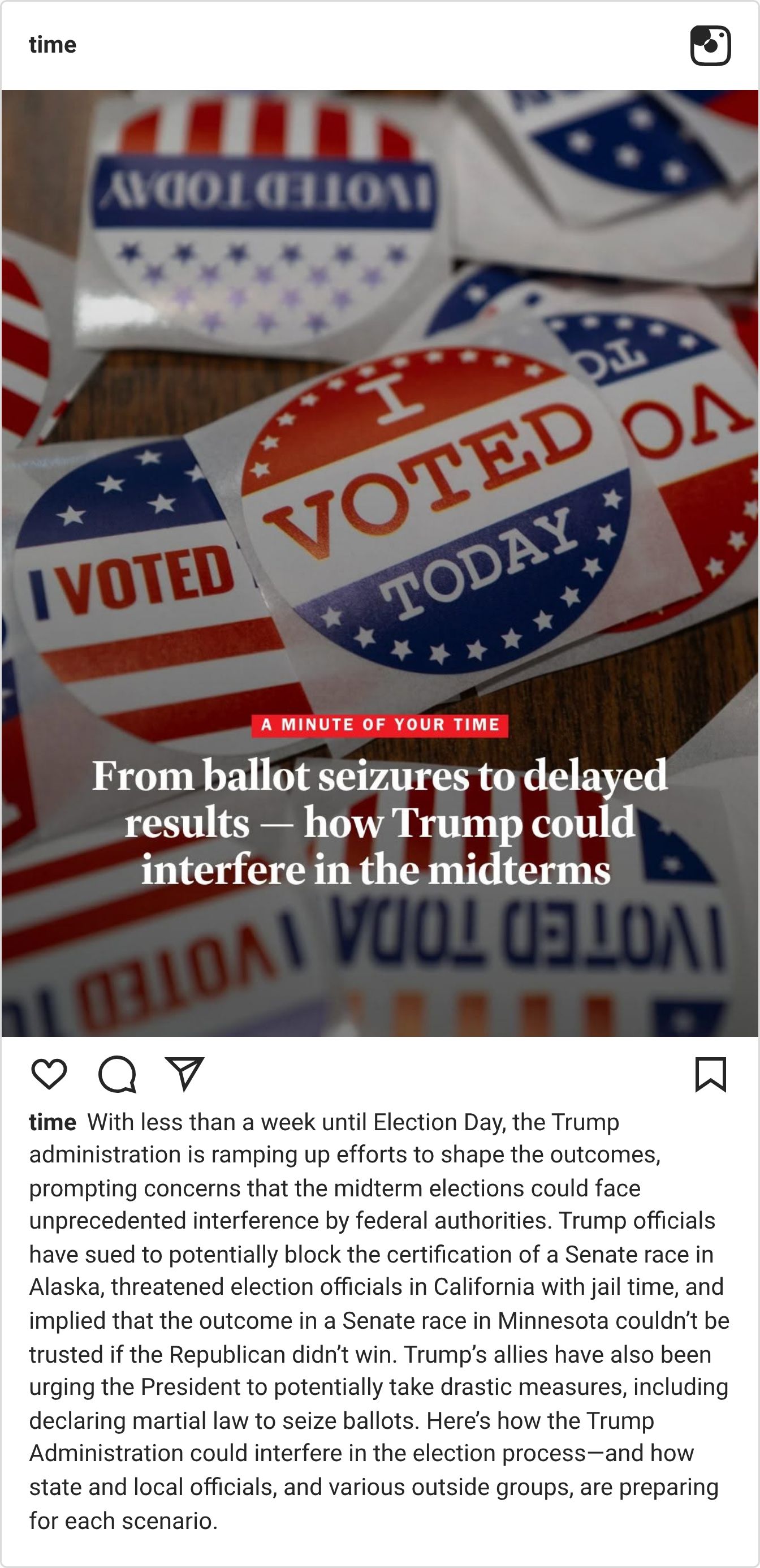
How Trump could interfere in the midterms |
With less than a week until Election Day, the Trump Administration is ramping up efforts to shape the outcomes, prompting concerns that the midterm elections could face unprecedented interference by federal authorities.
Here’s how the Trump Administration could interfere in the election process—and how state and local officials, and various outside groups, are preparing for each scenario. |
|
|
|
|
|
| |
|
|
|
| |
| |
SPONSORED BY WISPR FLOW |
Stop typing AI prompts. Start talking. |
|
|
You think 4x faster than you type. So why are you typing prompts? Wispr Flow turns your voice into ready-to-paste text inside any AI tool. Speak naturally, tangents and all, and Flow cleans it up. Available on Mac, Windows, iPhone, and Android. |
Try Wispr Flow Free |
|
|
|
| |
|
|
|
| |
 |
| Linked |
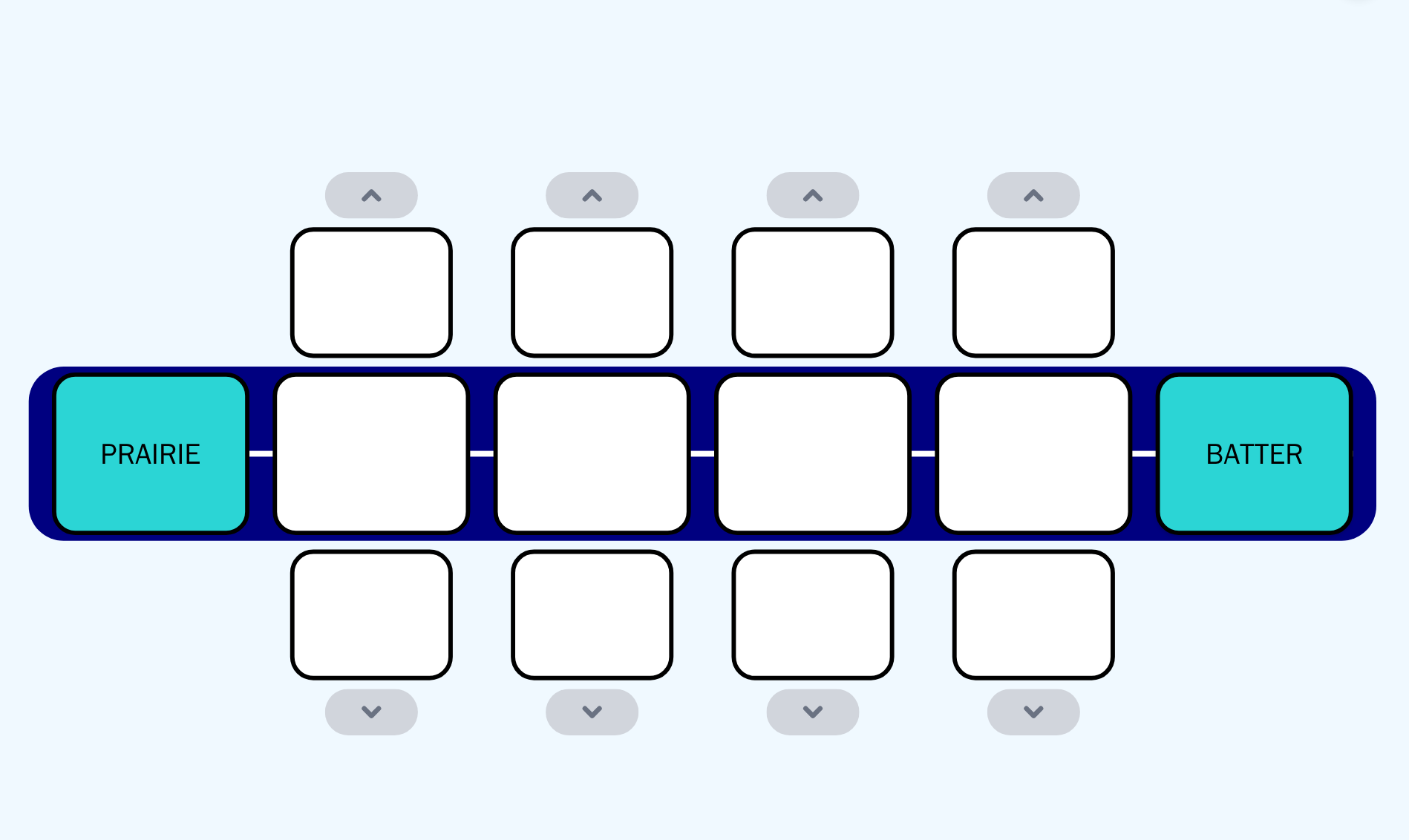
| In this addictive word-association game, find the steps that will unite two seemingly unrelated words in just four moves. |
 |
| PLAY NOW |
|
|
| |
|
|
|
|
|
|
|
| |
Click to sign up.
|
|
|
|
|
|




Comentarios
Publicar un comentario